
PhD Student: Timothy Murphy; Partner: National Police Chiefs’ Council; Supervisors: Prof. Jennifer Cook and Dr. Helio Cuve; School: School of Psychology.
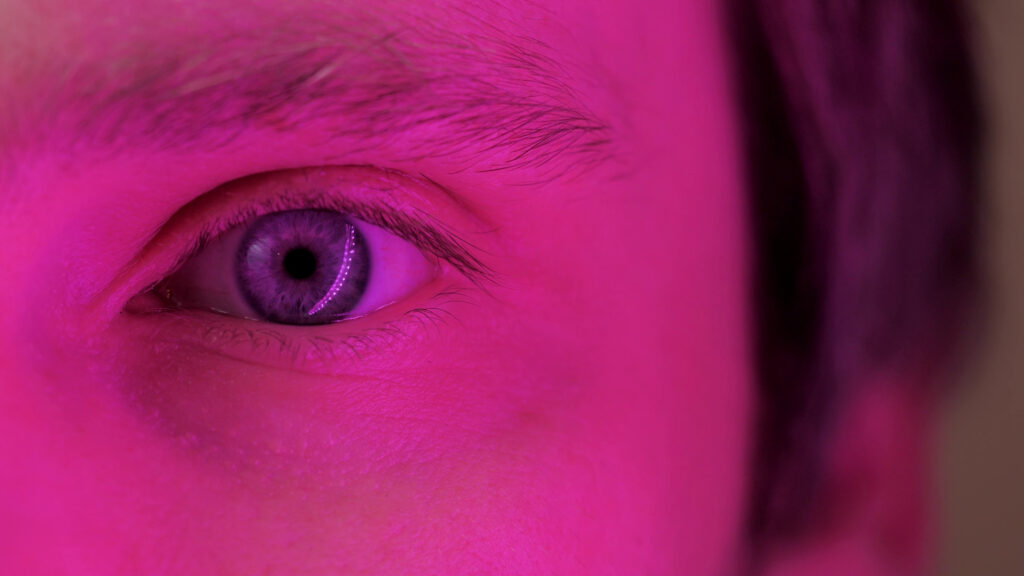
This project aims to develop explainable deepfake detection methods by identifying unique “fingerprints” composed of bio-behavioural and perceptual cues. Deepfakes are realistic videos that are generated using artificial intelligence to alter an individual’s appearance or actions, and they pose significant threats to information integrity and public trust. As deepfakes become increasingly sophisticated, it is more important and challenging than ever to distinguish them from genuine content. There is an urgent need for reliable detection systems.
This research will focus on creating a multimodal “fingerprint” system that combines cues like facial expressions, eye movements, facial patterns, body movements, physiological responses, and audio characteristics to identify deepfakes. By analysing these cues, we aim to uncover distinct patterns that can reliably indicate the authenticity of any given material. This approach will provide transparent and explainable reasoning behind each identification, which is important for building trust in such systems.
In collaboration with the National Police Chief Council (NPCC), this project will explore the practical deployment of these detection methods to address real-life, high-stakes issues such as fraud, misinformation, and security threats. Partnering with the NPCC will guide the development of these detection tools and make sure that they are ready for real-world applications and can be seamlessly integrated into existing law enforcement frameworks.