
PhD Student: Saskia Howe de la Torre; Partner: ProblemShared; Supervisors: Dr. Andrew Surtees, Prof. Ian Apperly and Dr. Rory Devine; School of Psychology
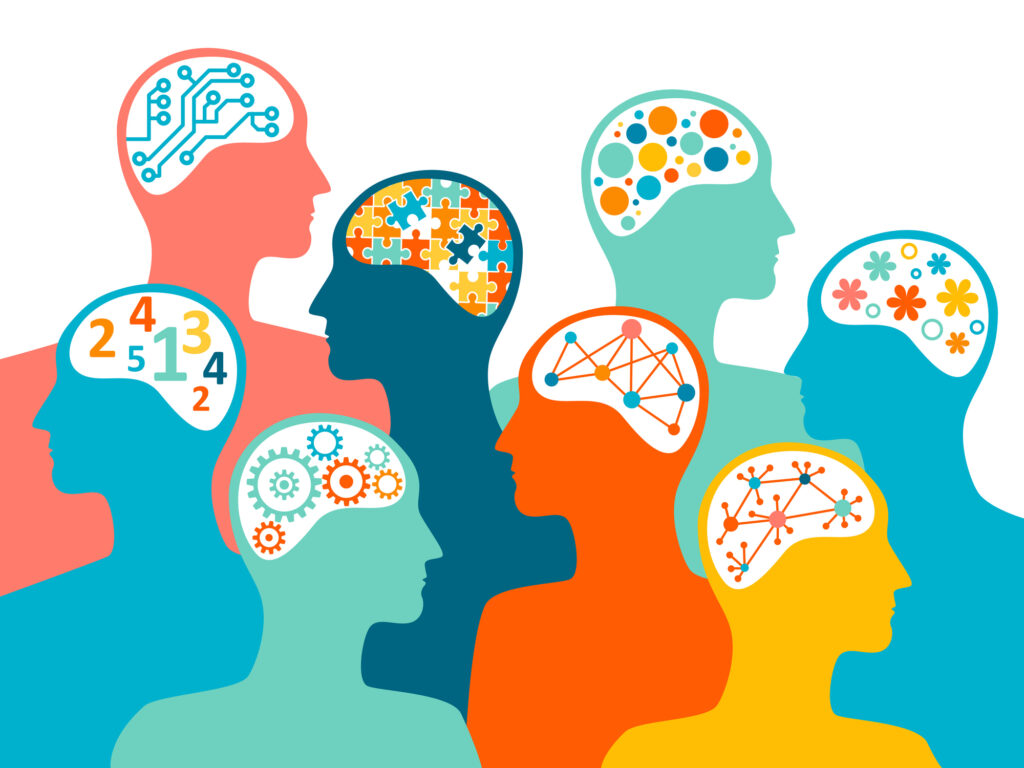
Diagnoses of autism and ADHD have increased rapidly, alongside growing concerns about young people’s mental health. These issues are often studied separately, even though many people experience both. Neurodiversity is a used to describe natural differences in thinking, attention, communication, and sensory experience. Some people meet criteria for a diagnosis, while others have strengths and difficulties that do not fit neatly into a single category. Traditional diagnostic models place people into distinct conditions such as autism or ADHD. Transdiagnostic models instead focus on overlapping traits that cut across these categories. These approaches may offer a clearer understanding of individual needs, but little is known about how they relate to wellbeing or how people make sense of them during the diagnostic process.
This PhD will investigate how adults referred for neurodevelopmental assessment understand their traits, how diagnostic and transdiagnostic models compare in explaining wellbeing, and how people interpret a new diagnosis over time. The project is conducted alongside ProblemShared, an online mind-health provider, delivering a full range of assessment services and post-diagnostic support.
- Study 1 will collect online data on neurodiversity traits, mental health, sleep, and wellbeing. Statistical modelling will test whether experiences are better explained by diagnostic categories or broader transdiagnostic patterns.
- Study 2 will follow participants one year later to examine how both models predict post-diagnostic outcomes such as quality of life.
- Study 3 will use qualitative interviews to explore how people understand and integrate an autism or ADHD diagnosis within their wider profile of strengths and difficulties.
The project will be carried out within a participatory framework, involving neurodivergent consultants throughout. Findings will support an increase in person-centred ways of understanding neurodiversity and guide future clinical practice.